Key Elements of Minimalist Warmth
In 2026, the "Minimalist Warmth" movement represents a major departure from the sterile, high-contrast white kitchens of the past decade. This shift prioritizes a "fast reset" lifestyle where the home feels like a sanctuary—calm, functional, and deeply connected to natural textures.
Key Elements of Minimalist Warmth
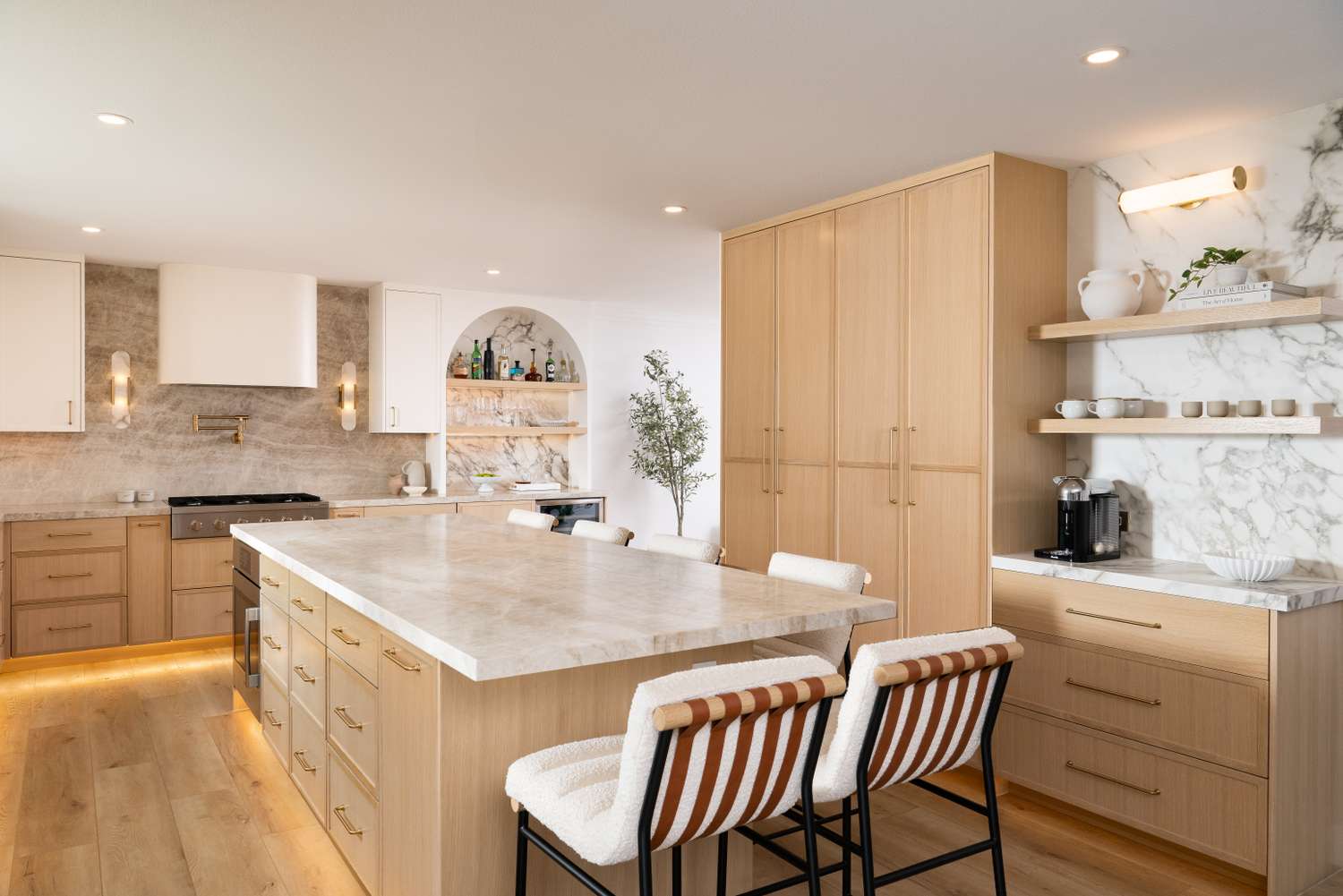
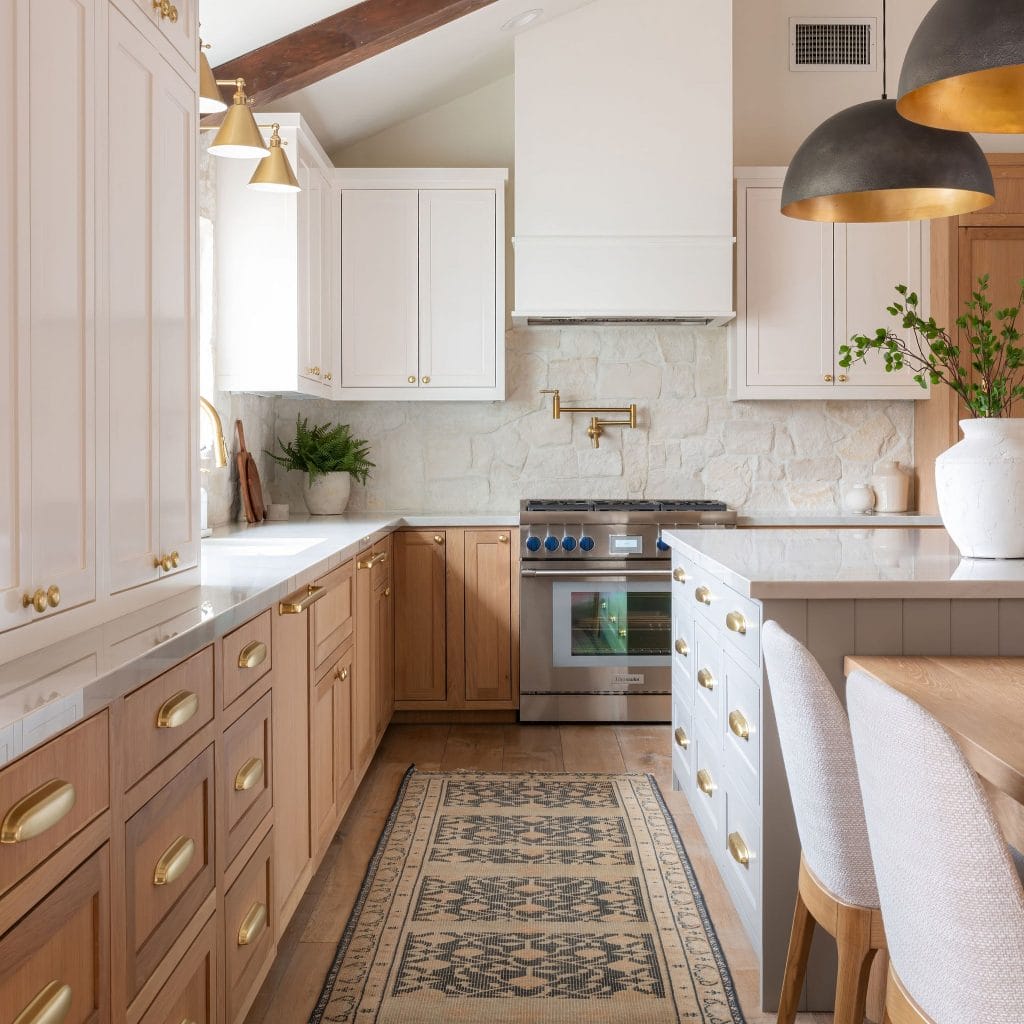
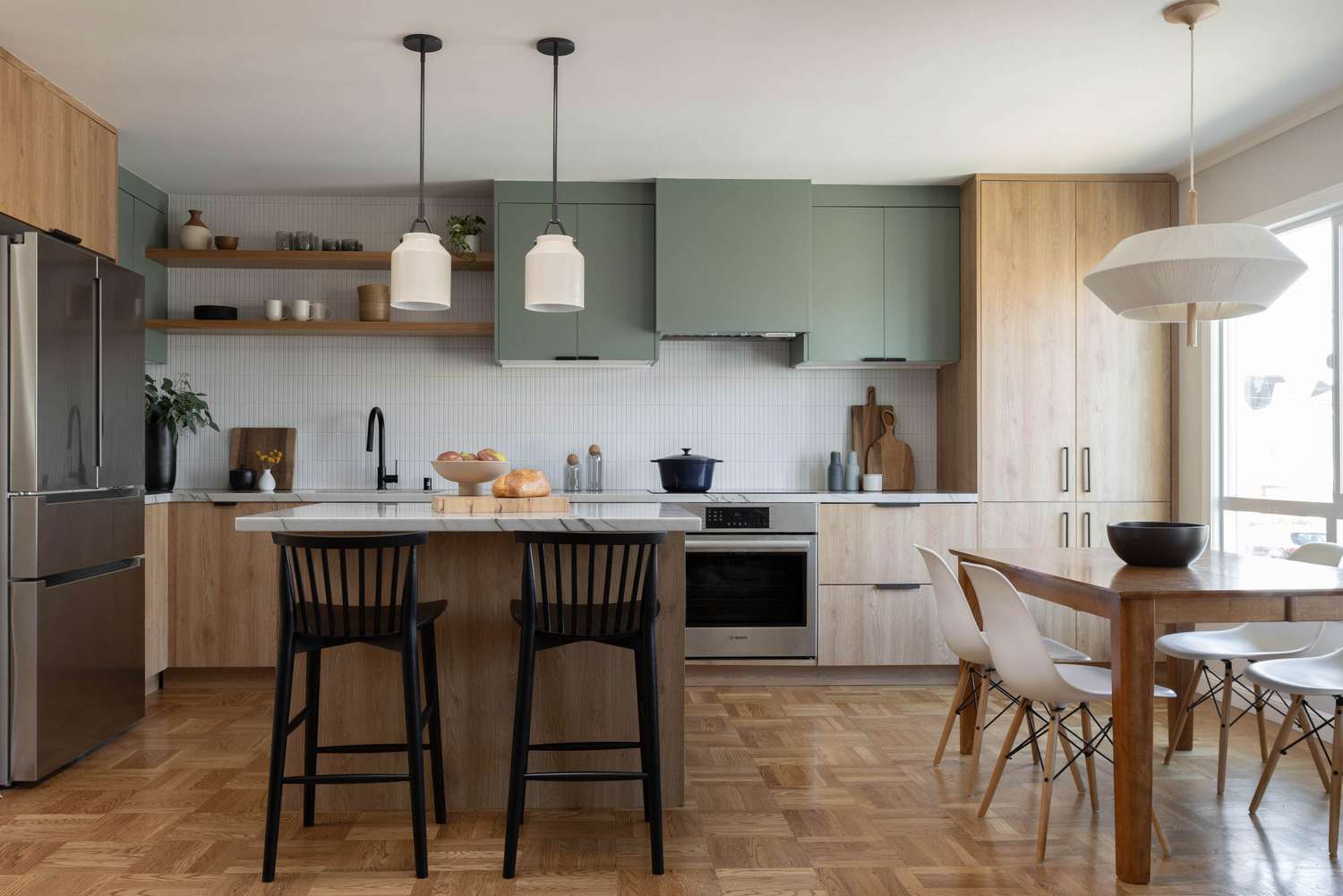
Medium Wood Tones: Wood is no longer just an accent; it is often the primary "furniture material" for islands and full pantry walls. Rift-cut white oak and walnut are favored for their tight, linear grains that provide architectural depth without the "busy" look of traditional rustic styles.
Earthy Sage & "New Neutrals": Sage green has emerged as a dominant choice for cabinetry, acting as a soft, nature-inspired neutral that pairs effortlessly with wood and stone. Other rising "warm neutrals" include mushroom, clay, sand, and taupe.
Matte Performance Finishes: High-performance matte surfaces are winning for their practical ability to hide fingerprints and reduce glare. These finishes make warm palettes feel richer, particularly under soft evening lighting.
Concealed Functionality: To maintain a minimalist look, clutter is hidden behind pocket doors and in appliance garages. This "back-kitchen logic" ensures that even a busy kitchen can be "reset" to a calm state instantly.
Why the Shift is Happening
Designers note that homeowners are craving individuality and comfort over "catalog-ready" uniformity. The sterile white aesthetic is increasingly viewed as cold and clinical, whereas the 2026 palette focuses on tactility and longevity. By using natural materials that age gracefully—like unlacquered brass or real stone—homeowners are creating spaces built for "real living" rather than just for show.
Are you looking to refresh your current space with a specific element, such as a sage green island, or are you planning a full-scale renovation?